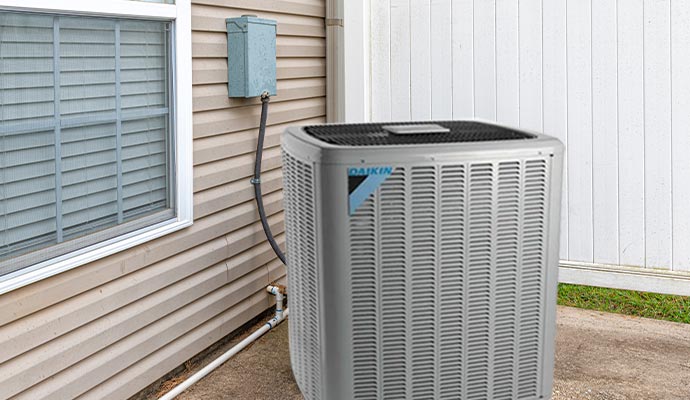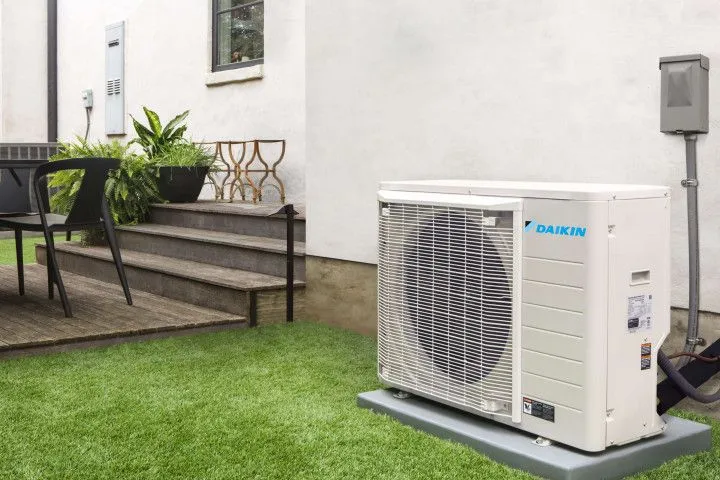

Most heat pump problems are caused by airflow restrictions like dirty filters or coils, electrical wear such as failing capacitors or contacts, or control issues involving the thermostat or defrost system. In Florida, a heat pump cools just like a standard AC, so any airflow or component issue shows up quickly as weak cooling and high humidity. Many heat pump repairs are straightforward when caught early.
FAQs
What is the most common problem with heat pumps?
The most common heat pump issues involve airflow and electrical components. Dirty filters, dirty coils, blocked outdoor units, and worn capacitors or contactors lead the list. In cooling mode, a heat pump behaves like a central AC, so airflow restrictions or failing electrical parts reduce cooling fast. Regular filter changes and tune ups prevent many of these breakdowns.
Can a heat pump be repaired?
Yes. Most heat pump problems are repairable, especially when caught early. Common fixes include replacing capacitors, fan motors, defrost controls, sensors, or addressing thermostat issues. Repairs become more expensive when the compressor is failing or there is a significant refrigerant leak. A good technician should diagnose the issue, explain options clearly, and walk through repair versus replacement tradeoffs.
What is the average cost to service a heat pump?
Heat pump service costs vary by region and what is included. Most companies charge a diagnostic or service call fee, then add parts and labor for the repair. Preventive maintenance is usually less expensive than emergency service and often includes cleaning, electrical checks, airflow verification, and thermostat calibration. Always ask for an itemized estimate before work begins.
Will a heat pump work in 100°F weather?
Yes. In hot weather, a heat pump functions like an air conditioner and should cool normally even in 100-degree conditions. It may run longer, and performance can drop if coils are dirty, airflow is restricted, or the system is undersized. If it cannot maintain safe indoor temperatures, it needs service, not a thermostat adjustment.
How do you know when your heat pump is going bad?
Warning signs include frequent repairs, rising electric bills, loud or rough start ups, weak airflow, poor humidity control, and uneven temperatures throughout the home. If your heat pump is approaching the typical 10- to 15-year range, rising heat pump service cost combined with frequent repairs can become a tipping point where replacement makes more sense.
The most common heat pump issues involve airflow and electrical components. Dirty filters, dirty coils, blocked outdoor units, and worn capacitors or contactors lead the list. In cooling mode, a heat pump behaves like a central AC, so airflow restrictions or failing electrical parts reduce cooling fast. Regular filter changes and tune ups prevent many of these breakdowns.
Yes. Most heat pump problems are repairable, especially when caught early. Common fixes include replacing capacitors, fan motors, defrost controls, sensors, or addressing thermostat issues. Repairs become more expensive when the compressor is failing or there is a significant refrigerant leak. A good technician should diagnose the issue, explain options clearly, and walk through repair versus replacement tradeoffs.
Heat pump service costs vary by region and what is included. Most companies charge a diagnostic or service call fee, then add parts and labor for the repair. Preventive maintenance is usually less expensive than emergency service and often includes cleaning, electrical checks, airflow verification, and thermostat calibration. Always ask for an itemized estimate before work begins.
Yes. In hot weather, a heat pump functions like an air conditioner and should cool normally even in 100-degree conditions. It may run longer, and performance can drop if coils are dirty, airflow is restricted, or the system is undersized. If it cannot maintain safe indoor temperatures, it needs service, not a thermostat adjustment.
Warning signs include frequent repairs, rising electric bills, loud or rough start ups, weak airflow, poor humidity control, and uneven temperatures throughout the home. If your heat pump is approaching the typical 10- to 15-year range, rising heat pump service cost combined with frequent repairs can become a tipping point where replacement makes more sense.
Quick explanation: what a heat pump is in Florida terms
A heat pump is essentially an AC and heater in one system. It uses a reversing valve to switch between cooling and heating modes instead of generating heat like a furnace. Heat pumps are common in warm climates because they are efficient, reliable, and well suited for Florida weather. Since winters are mild, heat pumps handle both cooling and heating needs without separate equipment.
Most common heat pump repair calls
Airflow problems are the most frequent issues. Dirty filters, dirty coils, and blower problems reduce cooling and humidity control quickly. Electrical part failures such as worn capacitors or contactors are also common as systems age. Drain and humidity issues can trigger safety shutoffs or cause water damage near the air handler. Refrigerant leaks reduce cooling and increase strain on the compressor. Refrigerant work requires specialized tools and licensing, so this is always a professional repair. In Florida homes, these issues show up often during peak cooling months, and experienced technicians at Bowersox see the same patterns repeatedly.
How to tell if it’s repairable versus replacing
Age matters. Most heat pumps fall into a replacement conversation as they approach the end of their typical lifespan. If repairs are becoming frequent and comfort complaints continue, that is another sign replacement may be the better long-term choice. Rising utility bills, poor humidity control, and declining efficiency often signal that repairs will no longer restore performance to acceptable levels.
What service typically includes and what to ask for
A proper heat pump service visit includes cleaning critical components, checking electrical connections, verifying airflow, and testing thermostat operation. Ask what the maintenance checklist covers and whether airflow and electrical testing are included. Thorough service helps prevent emergency repairs and improves system efficiency.
“Why do HVAC guys hate heat pumps?”
This question comes up often, and the answer depends on experience and installation quality. Heat pumps require proper sizing, correct airflow, and technicians trained to service them correctly.
Many complaints come from older installations or systems that were not set up properly from the start. In the right home, with the right setup and maintenance, heat pumps perform reliably and efficiently. It depends on the home, the installation, and the care the system receives.