
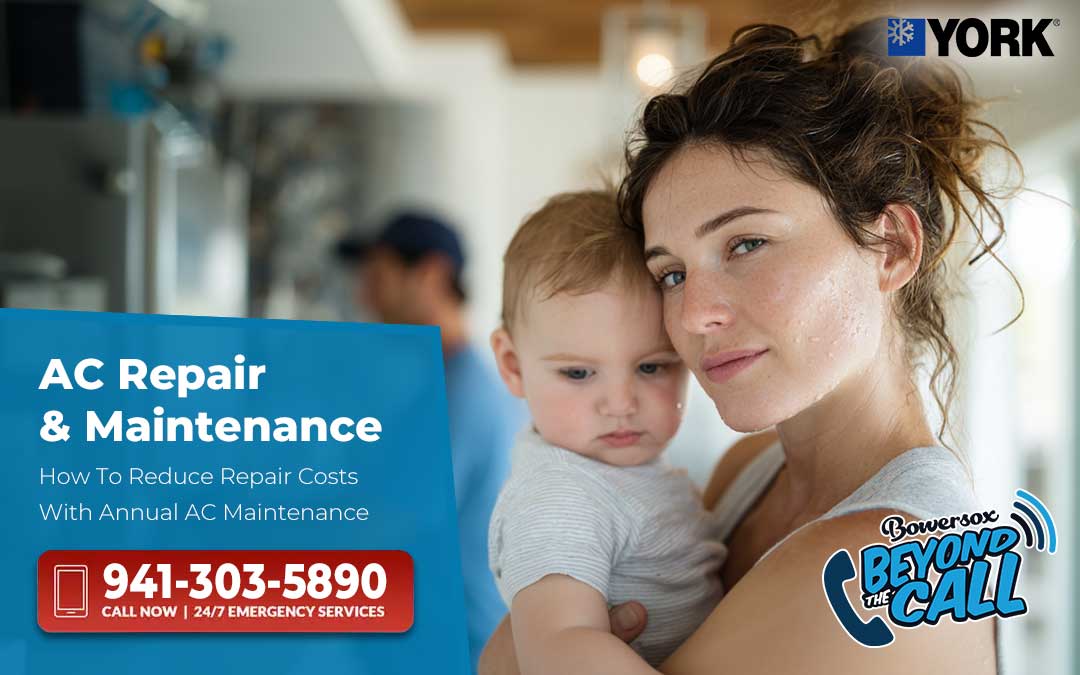
An AC problem becomes an emergency when it creates a health or safety risk, such as dangerous indoor heat or vulnerable occupants, or when it shows electrical danger like a burning smell, smoke, sparking, or breaker trips. Major leaks that could damage property can also qualify. If it’s uncomfortable but safe, it’s urgent but not always an emergency call.
FAQs
What constitutes an AC emergency?
It’s an AC emergency when the lack of cooling creates a safety risk, including extreme indoor heat or vulnerable occupants such as infants, seniors, or people with medical conditions. Electrical warning signs like burning smells, smoke, sparking, or repeated breaker trips also qualify. Major water leaks that could damage ceilings or floors may be emergencies as well. If it’s uncomfortable but safe, it’s urgent but not always an emergency.
What qualifies as an HVAC emergency?
HVAC emergencies are issues that threaten health, safety, or property. This includes no cooling during extreme heat, suspected electrical faults, gas odors from gas heating systems, carbon monoxide concerns, or significant water leaks. If you’re unsure, treat burning smells, repeated breaker trips, or gas smells as emergencies and contact a licensed technician immediately.
Who should I call if my AC is not working?
Call Bowersox at (941) 303-5890 for emergency AC repair from a licensed, insured team familiar with Southwest Florida heat and humidity. If there is smoke, sparking, or a burning smell, shut the system off and call for emergency service.
Is it safe to stay in a house with no AC?
It depends on indoor temperature, humidity, and who is in the home. In Florida heat, indoor temperatures in the 80s or 90s for extended periods can be dangerous for infants, older adults, and anyone with health conditions. Use fans, stay hydrated, and move to the coolest room possible. If temperatures continue to rise or someone feels unwell, leave for air conditioning and call for help. Indoor heat exposure is a serious health risk for vulnerable people.
How long should it take to cool a house from 85 to 70?
There is no universal timeline. Cooling time depends on system size, insulation, outdoor temperature, and humidity. In hot and humid conditions, dropping 15 degrees can take several hours. If the thermostat barely moves after hours of run time, airflow is weak, or the system short cycles, that points to a repair issue rather than just a hot day.
It’s an AC emergency when the lack of cooling creates a safety risk, including extreme indoor heat or vulnerable occupants such as infants, seniors, or people with medical conditions. Electrical warning signs like burning smells, smoke, sparking, or repeated breaker trips also qualify. Major water leaks that could damage ceilings or floors may be emergencies as well. If it’s uncomfortable but safe, it’s urgent but not always an emergency.
HVAC emergencies are issues that threaten health, safety, or property. This includes no cooling during extreme heat, suspected electrical faults, gas odors from gas heating systems, carbon monoxide concerns, or significant water leaks. If you’re unsure, treat burning smells, repeated breaker trips, or gas smells as emergencies and contact a licensed technician immediately.
Call Bowersox at (941) 303-5890 for emergency AC repair from a licensed, insured team familiar with Southwest Florida heat and humidity. If there is smoke, sparking, or a burning smell, shut the system off and call for emergency service.
It depends on indoor temperature, humidity, and who is in the home. In Florida heat, indoor temperatures in the 80s or 90s for extended periods can be dangerous for infants, older adults, and anyone with health conditions. Use fans, stay hydrated, and move to the coolest room possible. If temperatures continue to rise or someone feels unwell, leave for air conditioning and call for help. Indoor heat exposure is a serious health risk for vulnerable people.
There is no universal timeline. Cooling time depends on system size, insulation, outdoor temperature, and humidity. In hot and humid conditions, dropping 15 degrees can take several hours. If the thermostat barely moves after hours of run time, airflow is weak, or the system short cycles, that points to a repair issue rather than just a hot day.
What counts as an AC or HVAC emergency
Emergency AC repair situations typically fall into three categories.
Safety triggers include dangerously high indoor temperatures, especially when infants, seniors, or people with medical conditions are present. If cooling loss creates a health risk, it qualifies as an AC emergency. Electrical triggers include burning smells, smoke, sparking, loud buzzing, or breakers that trip repeatedly. These signs point to electrical hazards that require immediate attention.
Property triggers include major water leaks from the system that could damage ceilings, walls, or floors. Uncontrolled water can escalate quickly and should not be ignored.
What to do before you call
If you suspect an emergency, take a few quick steps before calling for HVAC emergency repair.
Shut the system off if you smell burning or see smoke. Do not keep resetting a tripped breaker.
Check the air filter and thermostat settings to rule out simple issues. Use fans, drink water, and move to the coolest room in the home to reduce heat stress. Document what you’re seeing and hearing, such as ice buildup, leaks, unusual noises, or error messages. Clear details help speed diagnosis.
What to expect from 24/7 emergency service
When homeowners search for 24-hour AC repair near me, they are usually dealing with rising indoor temperatures or electrical warning signs that cannot wait. Most 24-hour AC repair calls follow a similar process. The technician will triage the problem, stabilize the system to restore safe operation, and explain next steps. If parts are needed and not immediately available, a return visit may be scheduled. Ask about after-hours pricing before dispatch. Reputable companies are transparent about emergency service fees so there are no surprises.
How to choose a reliable emergency AC company fast
In urgent situations, focus on fundamentals. Choose a company that is licensed and insured, provides a clear dispatch window, and offers a written estimate before work begins. Avoid companies advertising prices that seem too good to be true or pushing vague upsells without explaining the problem. Reliable emergency AC repair focuses on safety, clarity, and practical solutions.
If you’re deciding whether to wait
Some situations can wait until morning. Others should not. If the home is uncomfortable but still safe, the system is running without electrical warning signs, and indoor temperatures are stable, waiting may be reasonable. If temperatures are rising quickly, vulnerable people are in the home, or there are electrical or water issues, waiting increases risk. In those cases, calling for emergency AC repair is the safer choice.