
If your AC is running but not cooling, the most common causes are restricted airflow from a dirty filter or blocked vents, dirty coils, or an iced indoor coil. Thermostat settings and failing electrical parts like a capacitor can also stop effective cooling. If you see ice or smell burning, shut the system off and schedule emergency AC repair.
FAQs
Why is my AC running but not cooling?
Most cases of an AC running but not cooling come down to airflow or heat transfer problems. A clogged filter, blocked vents, dirty outdoor coil, or an indoor coil that has iced over are common causes. Thermostat settings and failing electrical components like capacitors can also reduce cooling. If you notice ice or a burning smell, turn the system off and call for service.
Should I turn off my AC if it’s not cooling?
Yes. If your AC is blowing warm air or you see ice on the refrigerant lines or indoor coil, turning it off helps prevent compressor damage. Switch the system to OFF, set the fan to ON to help thaw ice, and replace a dirty filter. If cooling does not return after thawing, schedule professional AC repair.
Why is my AC set to 72 but reads 78?
When the thermostat reads higher than the set temperature, your home is gaining heat faster than the system can remove it. Dirty filters, closed vents, duct leaks, undersized equipment, aging systems, or poor thermostat placement can all contribute. If the temperature barely improves after several hours, air conditioning repair is likely needed.
What are common AC problems?
Common AC problems include restricted airflow from dirty filters or blocked vents, dirty coils, thermostat issues, clogged drain lines, and worn electrical components. As systems age, refrigerant leaks and compressor problems become more likely. Routine maintenance helps prevent these issues from escalating.
Most cases of an AC running but not cooling come down to airflow or heat transfer problems. A clogged filter, blocked vents, dirty outdoor coil, or an indoor coil that has iced over are common causes. Thermostat settings and failing electrical components like capacitors can also reduce cooling. If you notice ice or a burning smell, turn the system off and call for service.
Yes. If your AC is blowing warm air or you see ice on the refrigerant lines or indoor coil, turning it off helps prevent compressor damage. Switch the system to OFF, set the fan to ON to help thaw ice, and replace a dirty filter. If cooling does not return after thawing, schedule professional AC repair.
When the thermostat reads higher than the set temperature, your home is gaining heat faster than the system can remove it. Dirty filters, closed vents, duct leaks, undersized equipment, aging systems, or poor thermostat placement can all contribute. If the temperature barely improves after several hours, air conditioning repair is likely needed.
Common AC problems include restricted airflow from dirty filters or blocked vents, dirty coils, thermostat issues, clogged drain lines, and worn electrical components. As systems age, refrigerant leaks and compressor problems become more likely. Routine maintenance helps prevent these issues from escalating.
Start here: A 2-minute triage
Before assuming you need emergency AC repair, start with a few quick checks. Confirm the thermostat is set to COOL and the temperature is lower than the current room reading. Check the breaker, disconnect switch and air handler to make sure the system has power. Inspect the air filter and replace it if it is dirty. A dirty air filter is the most common and fastest fix for AC not cooling issues.
9 reasons your AC runs but doesn’t cool and what to look for
Dirty air filter or restricted airflow
A clogged filter limits airflow and causes weak cooling. It can also lead to frozen coils and increased strain on the system. Replacing the filter often restores proper airflow quickly.
Supply or return vents blocked
Furniture, rugs, or closed vents reduce circulation throughout the home. When air cannot move freely, cooling performance drops.
Indoor coil icing
Ice on refrigerant lines or inside the air handler usually points to airflow problems or refrigerant issues. Turn the system off and allow it to thaw completely before restarting.
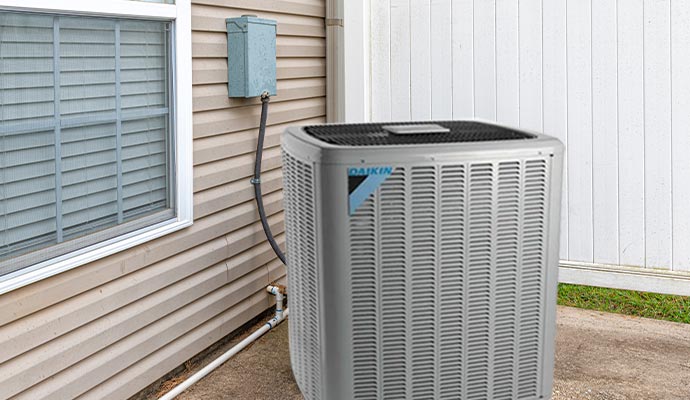
Dirty outdoor condenser coil
The outdoor coil releases heat from your home. When it is dirty or coated with debris, heat stays trapped and cooling efficiency suffers.
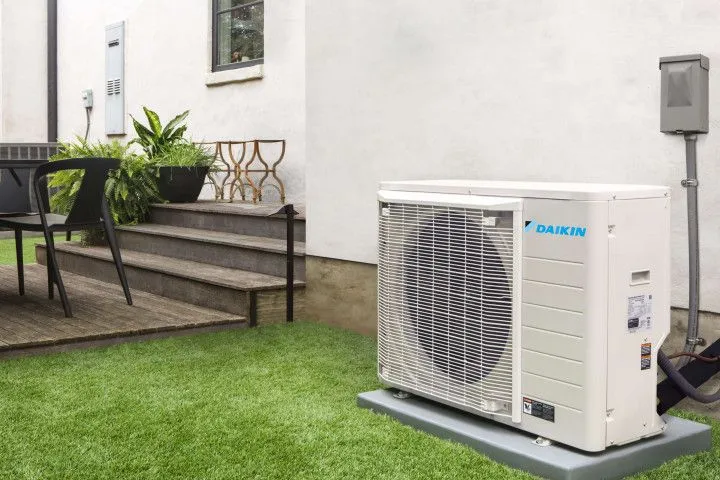
Outdoor unit blocked
Plants, fencing, or yard debris too close to the outdoor unit restrict airflow. Maintain at least two feet of clearance on all sides.
Condensate drain is clogged
A clogged drain can trigger safety shutoffs or cause water to pool near the air handler. This can stop cooling entirely and lead to water damage.
Thermostat placement or sensor issue
Thermostats placed in direct sunlight or near heat-producing appliances may misread temperatures, causing long run times without effective cooling.
Electrical component failure
Failing capacitors or contactors can cause buzzing sounds, delayed starts, or warm air. These issues require professional AC repair to avoid further damage.
Refrigerant issue
Low refrigerant levels or leaks reduce cooling and increase strain on the compressor. Refrigerant handling should only be done by licensed technicians.
When to stop troubleshooting and call AC repair
Some AC problems move past safe homeowner checks quickly. Call for emergency AC repair if you see ice on the indoor coil or refrigerant lines, smell something burning, hear loud buzzing or humming, or notice the breaker tripping more than once. These signs often point to electrical or airflow problems that can damage major components if the system keeps running.
You should also call if airflow remains weak and the air stays warm after replacing the filter and giving the system time to recover. An AC that runs continuously without cooling is under strain. Waiting too long can turn a manageable air conditioning repair into a much larger issue, especially during peak Florida heat.
If something feels off and basic fixes are not helping, shutting the system down and calling for service can prevent additional damage and reduce overall repair costs. In Southwest Florida heat, this is the point where experienced AC repair matters, and where homeowners often turn to Bowersox for clear answers and dependable service.
“Cheapest vs best” AC repair: how to pick an AC repair company
The lowest price rarely tells the full story. When choosing an AC repair company, ask what the diagnostic fee includes, whether repairs come with a warranty, and if common parts are stocked on the service vehicle. Clear answers up front signal experience and transparency. Quality air conditioning repair focuses on fixing the root cause, not just getting the system running again for a few days.
Be cautious of vague pricing, pressure to replace without explanation, or companies that cannot provide proof of license and insurance. Reliable air conditioning repair focuses on identifying the root cause, explaining your options clearly, and letting you decide what makes sense for your home and budget.
How to prevent repeat breakdowns
Many emergency calls begin with small issues that were easy to prevent. Replace air filters on a consistent schedule and keep the outdoor unit clear of leaves, grass, and debris so airflow remains unrestricted.
A proper maintenance visit goes beyond a quick inspection. It includes checking airflow, testing electrical components, clearing the drain, and confirming accurate thermostat operation. This level of care helps your system cool efficiently, reduces wear, and lowers the chances of emergency AC repair when temperatures rise.